

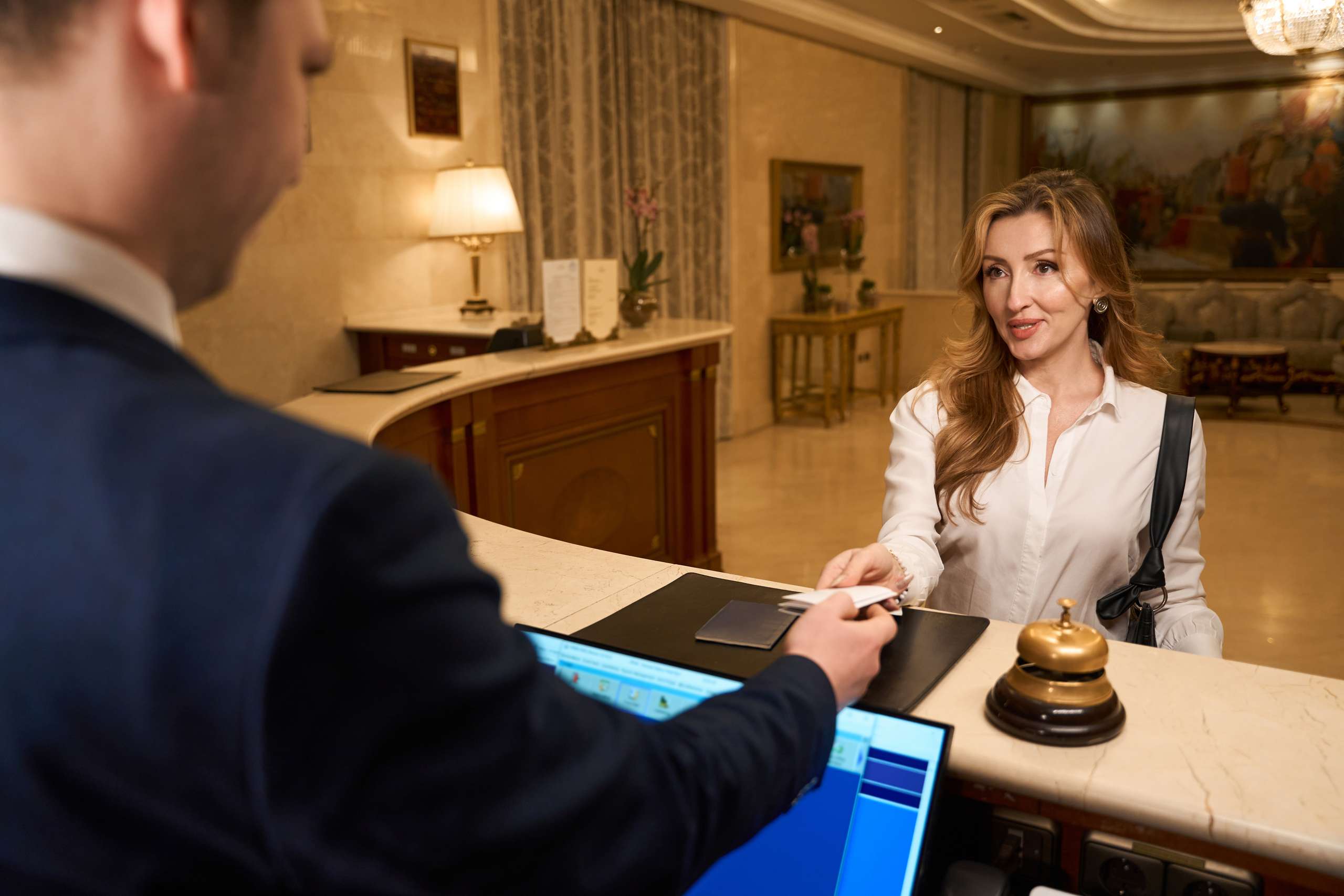
Noticing subtle cues from guests forms the foundation of thoughtful hospitality. Beginners often overlook these quiet signals while focusing only on standard procedures. Start each day by choosing one specific observation target, such as posture, tone of voice, or how someone glances around the lobby. During your practice time, recreate a short scene using a mirror or a recording device, then deliberately note one detail that might indicate comfort level or urgency. This focused noticing trains the mind to pick up information that standard checklists miss and turns routine moments into opportunities for better decisions.
A common early mistake occurs when beginners notice something but immediately jump to assumptions without confirming through a gentle question. This can lead to offering the wrong solution and creating awkwardness. Instead, train yourself to pair every observation with a short, open-ended phrase that invites more information, such as commenting on the weather they mentioned or asking about their plans for the day. Practicing this pairing prevents premature conclusions and builds genuine connection without overstepping.
Set aside fifteen minutes each morning for observation practice. Begin by describing an imagined guest arrival out loud while watching yourself in the mirror, then pause and name aloud the one small cue you noticed, followed by the exact question you would ask to learn more. Repeat the same scene four times, varying only the guest’s mood each round—rushed, relaxed, confused, or excited. After finishing, listen back and write down whether your noticing felt accurate and whether the follow-up question sounded natural. These brief consistent sessions sharpen awareness without overwhelming a busy schedule.
When progress feels slow and every observation still seems obvious or forced, add a layer of real movement to the drill. Practice while performing a simple task like sorting papers or folding linens, forcing yourself to notice cues and respond while your hands stay busy. The added activity mirrors actual front-desk conditions and often reveals how body position affects how clearly you register details. Returning to the mirror afterward frequently shows smoother integration between noticing and replying.
Feedback sharpens this skill faster than solo practice alone. After completing several rounds, replay the recordings and focus solely on the gap between what you observed and what you asked next. Adjust one element at a time, such as making the question shorter or warmer, then run the scene again right away. This quick cycle of review and immediate retry builds precision and confidence in reading situations accurately.
Consistent daily attention to small observations gradually transforms routine interactions into attentive service that guests remember. Each practiced moment of noticing and gentle inquiry strengthens the ability to respond with relevance and care. Keep returning to these short focused blocks, trust the gradual refinement, and watch how ordinary shifts become opportunities to deliver hospitality that feels personal and effortless.